1460 IoT Security Visual Resources
1460.1 IoT Security Visual Resources
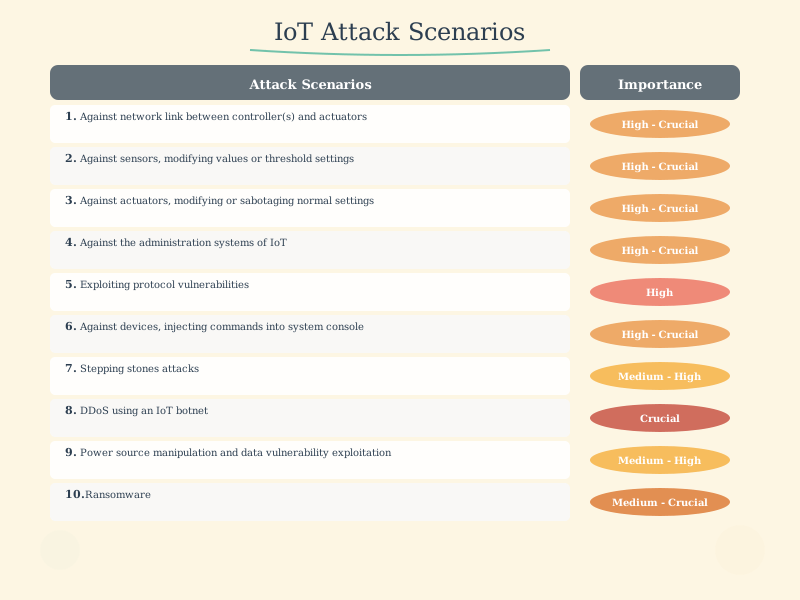
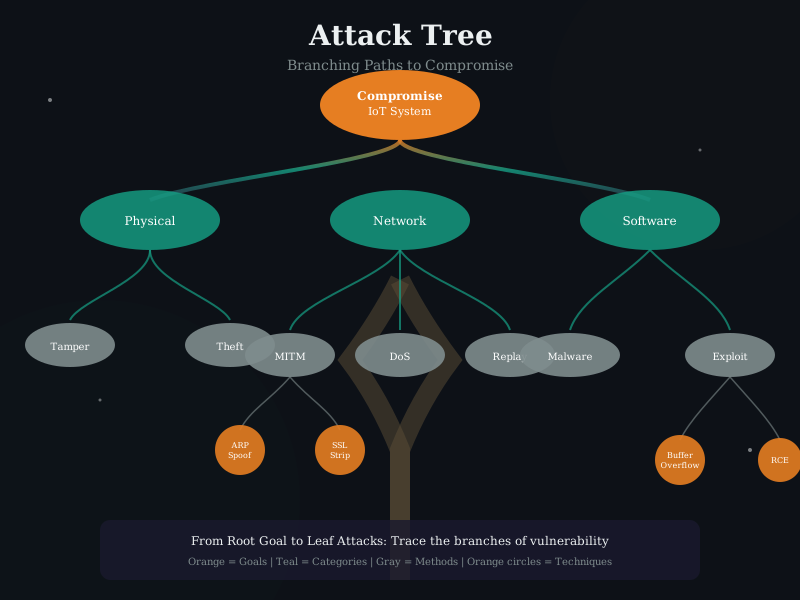
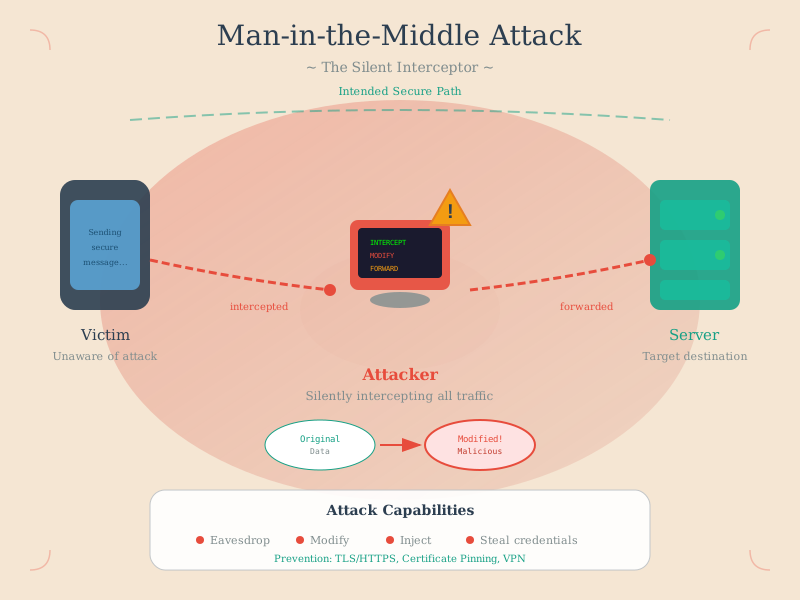
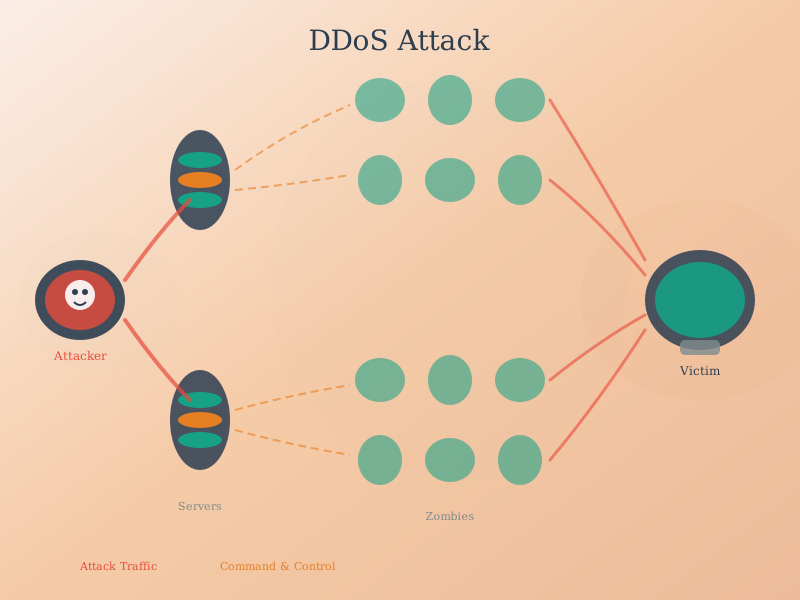
This chapter provides a collection of AI-generated figures covering key security concepts, attack scenarios, encryption mechanisms, and protection architectures for IoT systems.
1460.2 Encryption and Cryptography
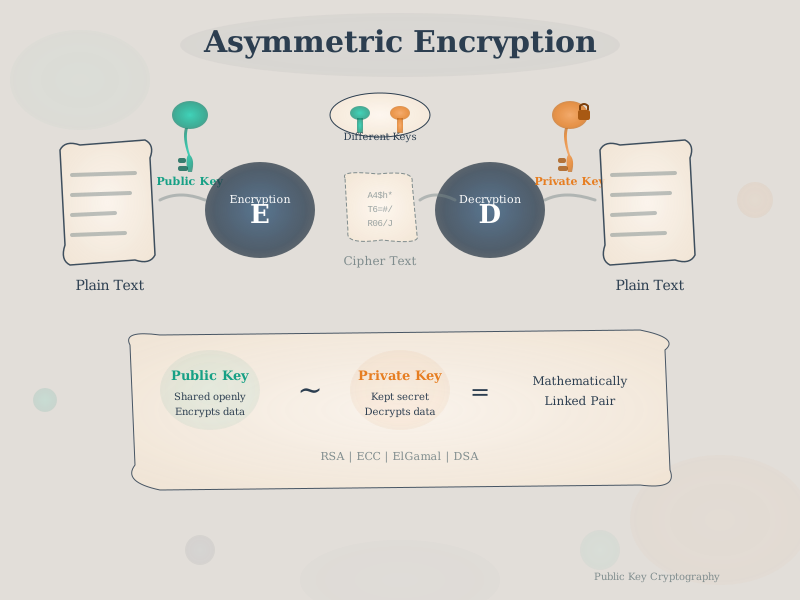
Asymmetric encryption uses mathematically related key pairs to enable secure communication without shared secrets, essential for IoT device provisioning and authentication.
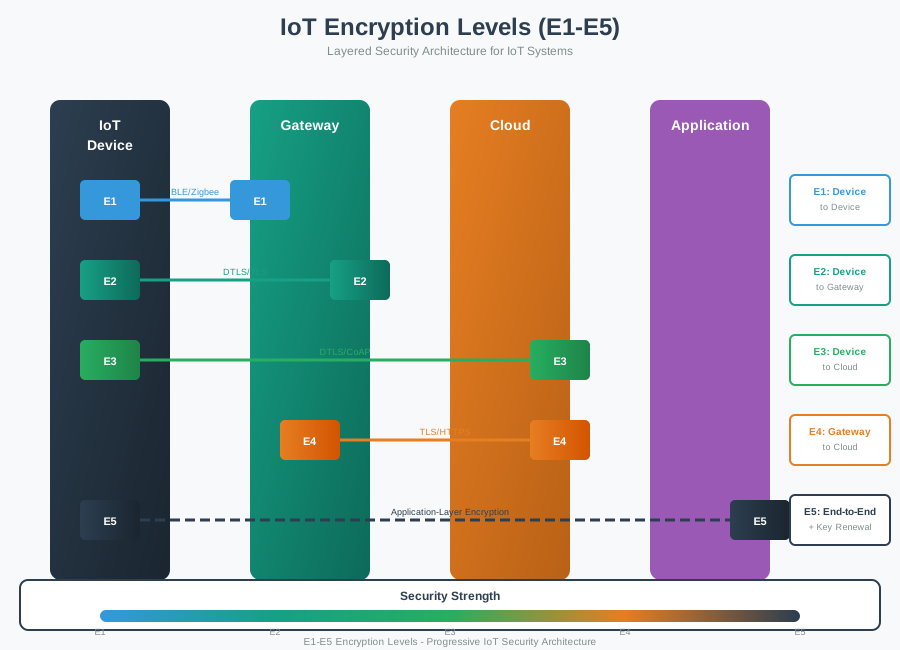
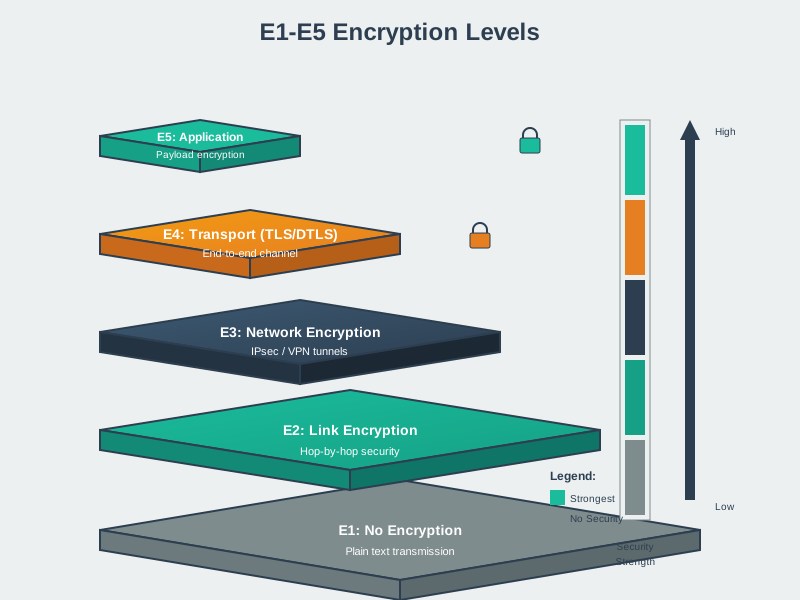
IoT systems implement encryption at multiple levels, from local device communication to cloud connectivity, each with different security and performance characteristics.
1460.3 Attack Scenarios

1460.4 Security Architecture
1460.5 Protocol Security


MQTT security combines transport encryption, authentication, and topic-based authorization for pub/sub messaging.

CoAP provides REST-like security for resource-constrained IoT devices with DTLS protection.
1460.6 Data Protection

IoT data requires protection throughout its lifecycle from sensor to archive.

Differential privacy enables IoT analytics while protecting individual data points.
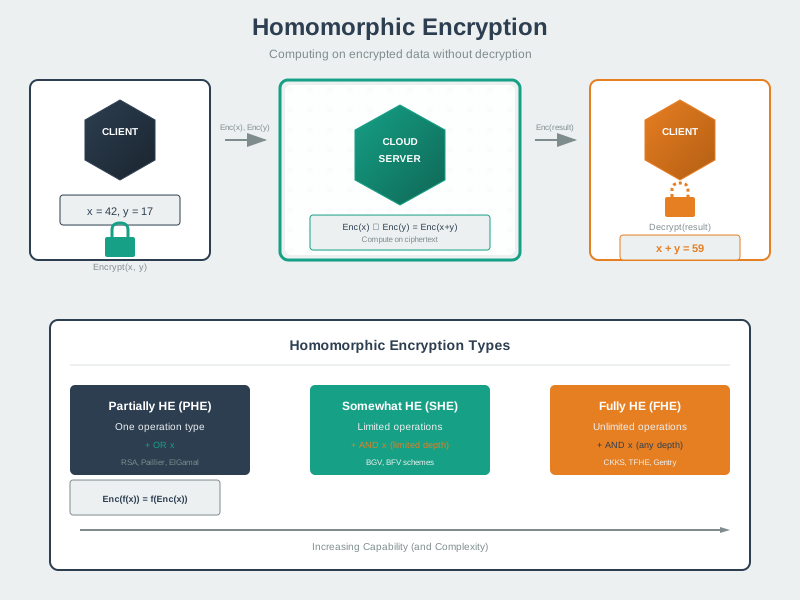
Homomorphic encryption allows secure computation on encrypted IoT data in untrusted cloud environments.
1460.7 Access Control
1460.8 Hardware Security

Hardware trojans can be inserted during manufacturing to enable backdoor access when specific conditions are met.

DPA attacks extract secrets by correlating power consumption with data-dependent operations.

HSMs provide hardware-protected key storage and cryptographic operations for high-security IoT deployments.
1460.9 Further Reading
- NIST SP 800-183: Networks of ‘Things’
- OWASP IoT Security Project
- IEEE 802.15.4 Standard
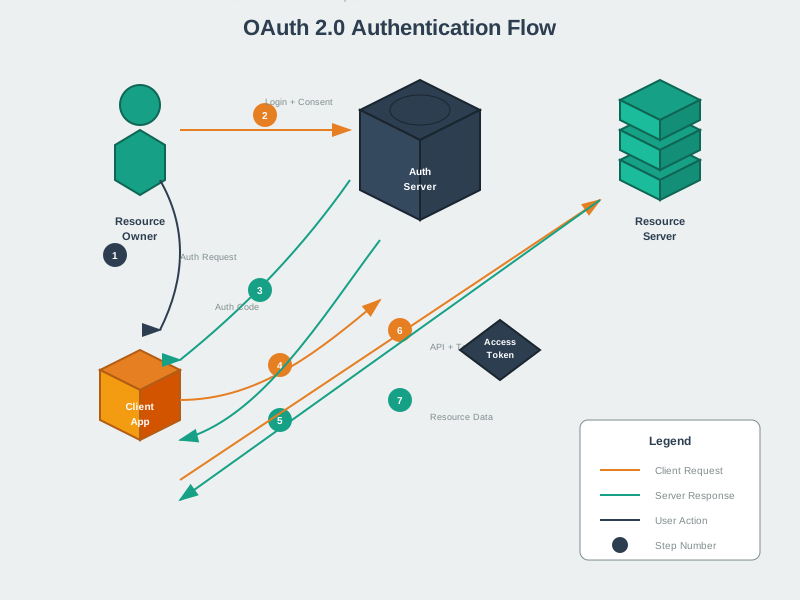
- RFC 6749: OAuth 2.0 Authorization Framework
- Cisco IoT Security Best Practices