This chapter connects to multiple learning resources across the book:
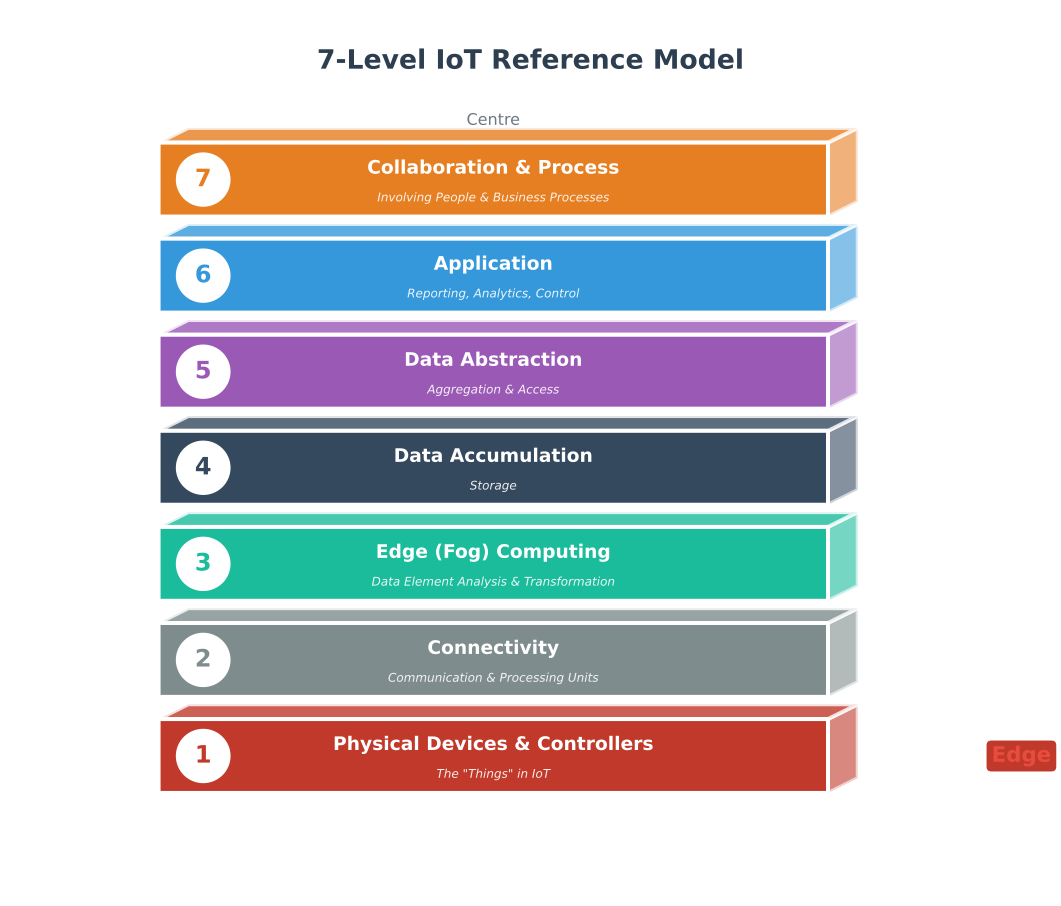
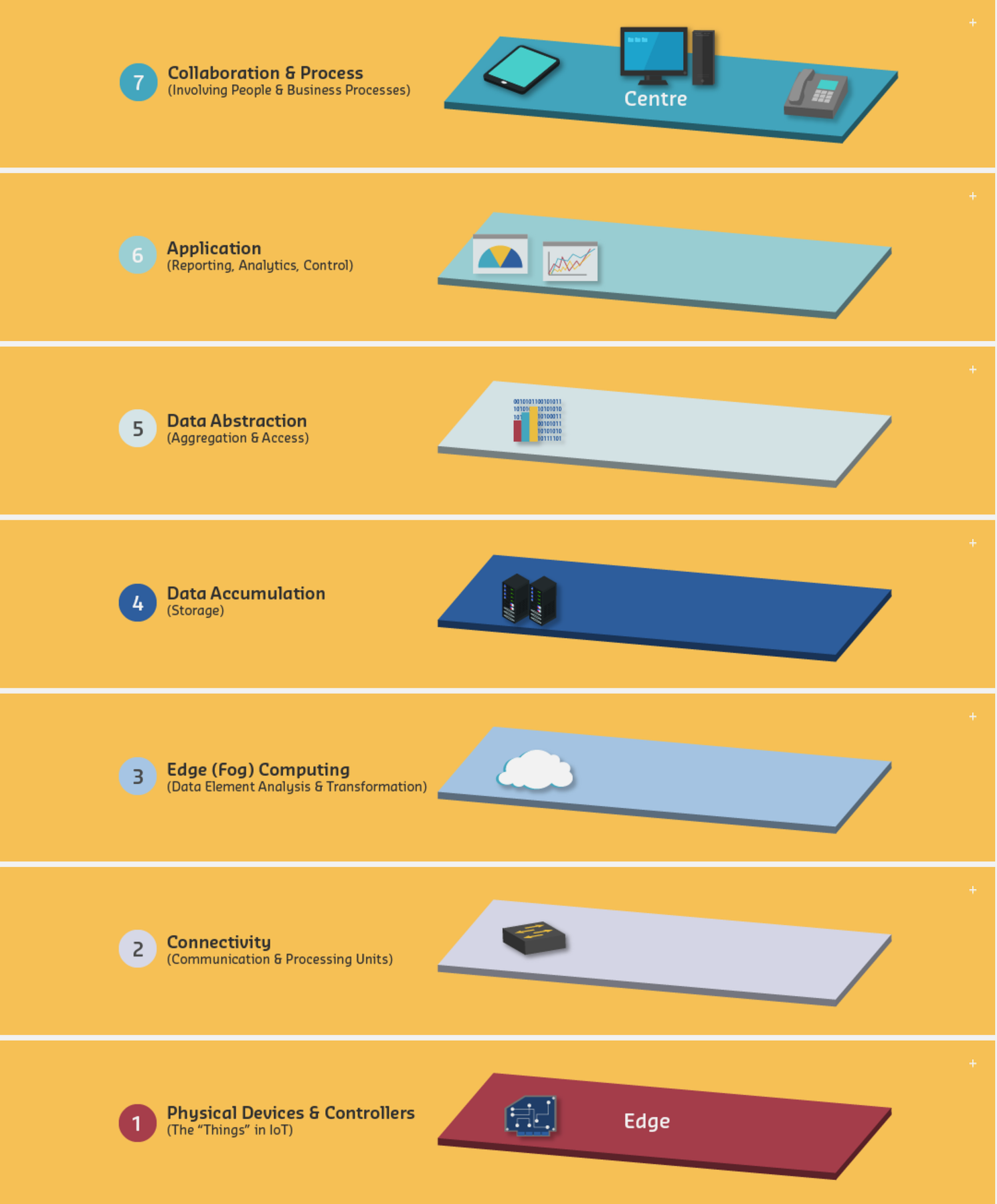
Video Deep-Dives (Videos Hub): - “IoT Architecture Explained” - Visual walkthrough of the 7-layer model with real-world examples - “Edge Computing vs Cloud Computing” - When to use Layer 3 vs sending all data to cloud - “Building Scalable IoT Systems” - How reference models enable growth from 10 to 10,000 devices
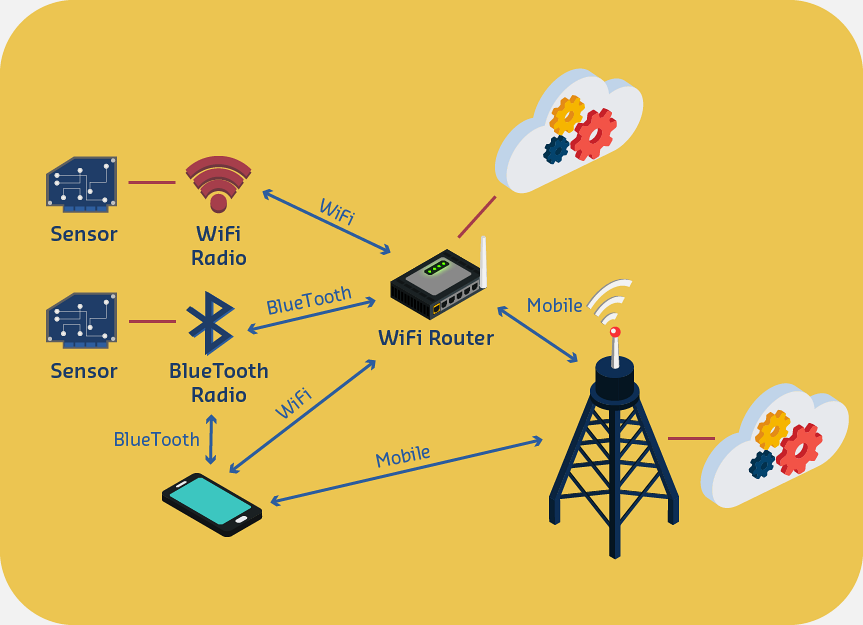
Hands-On Practice (Simulations Hub): - Network Topology Explorer - Visualize different Layer 2 connectivity patterns (star, mesh, tree) - IoT Data Flow Simulator - Trace sensor data through all 7 layers with interactive diagrams - Protocol Comparison Tool - Compare Layer 2 protocols (Wi-Fi, Zigbee, LoRaWAN) for your use case
Self-Assessment (Quizzes Hub): - Architecture Fundamentals Quiz - Test your understanding of reference model concepts - Layer Responsibilities Challenge - Match functions to correct layers - Troubleshooting by Layer - Diagnose problems using systematic layer analysis
Related Technical Chapters: - Edge Computing Patterns - Layer 3 implementation strategies - Data Storage and Databases - Layer 4 storage options (SQL, NoSQL, time-series) - IoT Protocols Overview - Layer 2 protocol selection framework - Stream Processing - How Kafka/Flink fit into Layers 3-4
Common Learning Gaps (Knowledge Gaps Hub): - “When do I need Layer 3 edge processing?” - Answered with latency/bandwidth calculations - “Why can’t apps talk directly to databases?” - Layer 5 abstraction benefits explained - “How do layers map to actual code?” - Implementation examples for each layer
Study Path Recommendation: 1. Complete this chapter on reference models (conceptual foundation) 2. Watch “IoT Architecture Explained” video for visual reinforcement 3. Use Network Topology Explorer simulation to experiment with Layer 2 connectivity 4. Read Edge Computing Patterns for Layer 3 implementation details 5. Take Architecture Fundamentals Quiz to validate understanding