245 Ad Hoc Routing: Proactive (DSDV)
245.1 Learning Objectives
By the end of this chapter series, you will be able to:
- Understand DSDV Protocol: Explain Destination-Sequenced Distance Vector as a proactive routing protocol
- Analyze Routing Tables: Describe how nodes maintain complete routing tables for all destinations
- Apply Sequence Numbers: Use sequence numbers to prevent routing loops and select fresh routes
- Evaluate Route Selection: Determine optimal routes based on sequence numbers and hop counts
- Compare Proactive Protocols: Differentiate DSDV from reactive protocols like DSR and AODV
- Calculate Overhead: Assess the bandwidth cost of maintaining proactive routing tables
245.2 Prerequisites
Before diving into this chapter, you should be familiar with:
- Wireless Sensor Networks: Understanding WSN fundamentals provides context for why ad hoc routing is needed in infrastructure-less IoT deployments where nodes must self-organize without central coordination
- WSN Overview and Fundamentals: WSN concepts like node constraints, energy limitations, and distributed operation are critical for evaluating DSDV’s suitability for battery-powered IoT networks
- Networking Basics: Fundamental networking concepts including routing tables, hop counts, packet forwarding, and distance-vector algorithms are essential prerequisites for understanding DSDV’s operation
- Routing Fundamentals: General routing principles, including path selection, routing metrics, and loop prevention, provide the foundation for DSDV’s sequence number mechanism and route selection logic
245.3 Chapter Overview
Destination-Sequenced Distance-Vector (DSDV) is a proactive (table-driven) routing protocol where each node maintains a complete routing table with entries for all network destinations. This chapter series provides comprehensive coverage of DSDV across three focused chapters.
245.4 Chapter Series
This topic is covered in three focused chapters:
245.4.1 1. DSDV Fundamentals: Proactive Routing Tables
Read Chapter: DSDV Fundamentals
Covers the core concepts of DSDV including:
- What makes DSDV a proactive protocol
- Routing table structure (destination, next hop, hop count, sequence number)
- The sequence number mechanism for preventing routing loops
- Route selection rules: freshness before efficiency
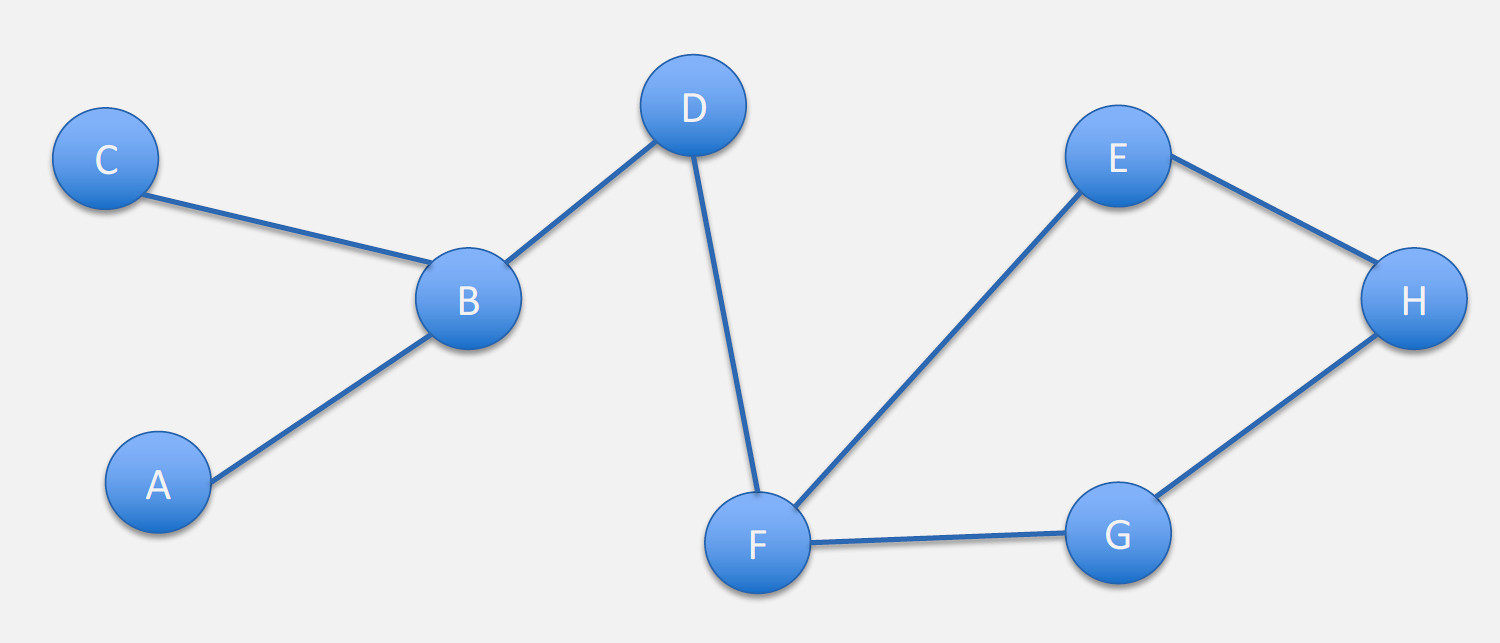
- Example network topology with complete routing table walkthrough
Estimated Time: ~25 minutes
245.4.2 2. DSDV Protocol Operation: Updates and Topology Changes
Read Chapter: DSDV Protocol Operation
Covers DSDV’s dynamic behavior including:
- Periodic full-dump updates (every 15 seconds)
- Incremental updates triggered by topology changes
- How new nodes join and advertise routes
- Link break detection and route invalidation
- Sequence number increments for broken routes
- Convergence time analysis
Estimated Time: ~30 minutes
245.4.3 3. DSDV Evaluation: Trade-offs and Worked Examples
Covers practical application and limitations including:
- DSDV limitations for IoT (overhead, power, scalability)
- When to use DSDV vs reactive protocols
- Worked Example: Route selection with competing paths
- Worked Example: Overhead calculation for IoT deployment
- Worked Example: Energy-aware route selection
- Worked Example: Convergence time after topology change
- Common misconceptions about DSDV
Estimated Time: ~35 minutes
245.5 Quick Reference
Imagine you’re planning a road trip and want to know the best route to every city in your country. You could either (1) keep an always-updated map showing routes to everywhere, or (2) only look up directions when you actually decide to visit a specific city. Proactive routing (DSDV) is like option 1 - always maintaining routes even before you need them.
Proactive = Always Ready
Think of DSDV like a GPS that constantly updates routes to all destinations: - Pro: When you want to go somewhere, the route is immediately available (zero delay) - Con: Your GPS is constantly working and draining battery updating routes you may never use
| Term | Simple Explanation | Everyday Analogy |
|---|---|---|
| Proactive Routing | Maintain routes continuously before needed | Always-updated GPS |
| Routing Table | List of how to reach all destinations | Phone book with addresses |
| Hop Count | Number of intermediate nodes on path | Number of stops on bus route |
| Sequence Number | Freshness indicator for route | Expiration date on milk |
| Distance Vector | Share hop-count info with neighbors | Tell neighbors how far cities are |
| Periodic Update | Regularly broadcast routing info | Weekly neighborhood newsletter |
When to Use DSDV:
- Network is relatively stable (nodes don’t move much)
- Communication is frequent (many nodes talk often)
- Low latency is critical (can’t wait for route discovery)
- Power budget is adequate (continuous updates drain batteries)
245.6 Key Concepts Summary
| Concept | Description |
|---|---|
| Proactive Routing | Routes maintained continuously to all destinations |
| Routing Table | Complete list of (destination, next-hop, hops, seq#) entries |
| Sequence Numbers | Freshness indicator; higher = more recent topology info |
| Route Selection | Sequence number first, then hop count if equal |
| Periodic Updates | Full table broadcast every 15 seconds (default) |
| Triggered Updates | Incremental changes on topology events |
| Link Break | Set hops to infinity, increment seq# to propagate quickly |
| Overhead | O(n^2) messages; grows with network size |
245.8 What’s Next
Start with DSDV Fundamentals to learn the core concepts of proactive routing, or jump to the specific chapter that addresses your learning needs.