493 S2aaS Value Creation and Challenges
493.1 Learning Objectives
By the end of this chapter, you will be able to:
- Analyze Stakeholder Value: Quantify benefits for sensor owners, data consumers, platform providers, and society
- Evaluate Success Factors: Assess technological enablers, economic incentives, and regulatory drivers supporting S2aaS
- Design Smart Home Data Markets: Balance personal privacy with value creation through selective sharing and compensation
- Identify Challenges: Recognize technical, business, social, and ethical challenges in S2aaS ecosystems
- Plan Future Directions: Evaluate emerging technologies like federated sensing, AI-driven quality, and blockchain provenance
493.2 Prerequisites
Before diving into this chapter, you should be familiar with:
- S2aaS Core Concepts: Understanding the S2aaS service model and ecosystem provides foundation for value analysis
- S2aaS Data Ownership: Knowledge of ownership models and privacy considerations informs value and challenge discussions
493.3 Stakeholder Value
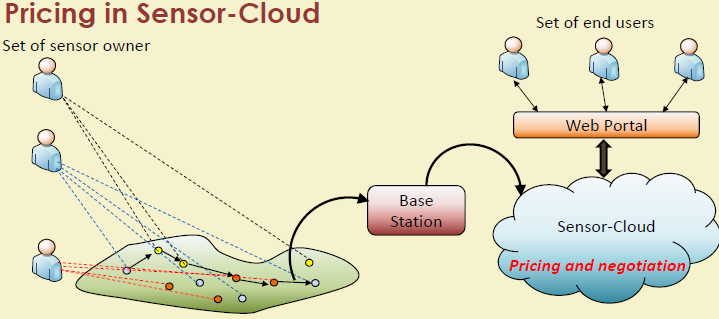
S2aaS creates value for multiple stakeholders through different mechanisms, driving ecosystem growth and sustainability.
493.3.1 Value for Sensor Owners
Revenue Generation: Monetize infrastructure investments through data sales, subscription fees, or usage charges.
Example: Building owner generates passive income from environmental sensors originally deployed for internal facility management.
Asset Utilization: Maximize return on sensor investments by serving multiple purposes and customers.
Example: Traffic cameras deployed for law enforcement also provide data for urban planning and transportation optimization.
Infrastructure Optimization: Insights from third-party analytics improve owner’s operations.
Example: Municipality shares air quality data with researchers who identify pollution sources, enabling targeted remediation.
Social Good: Contributing to public welfare and sustainability through data sharing.
Example: Personal weather station owners share data improving local weather forecasting for everyone.
493.3.2 Value for Data Consumers
Reduced Capital Costs: Eliminate need to purchase, deploy, and maintain sensors.
Lower Operational Costs: No ongoing maintenance, calibration, or replacement expenses.
Faster Deployment: Immediate access to operational sensors vs. months for deployment.
Broader Coverage: Access sensing across larger geographic areas than feasible with dedicated deployment.
Example: Startup accesses nationwide air quality data for health app without deploying thousands of sensors.
Diverse Data Sources: Combine data from multiple sensor types and locations for comprehensive insights.
Scalability: Scale sensing capacity up or down based on needs without infrastructure constraints.
Reduced Risk: Test hypotheses and validate business models before infrastructure investment.
493.3.3 Value for Platform Providers
Transaction Fees: Revenue from facilitating connections between owners and consumers.
Data Aggregation Value: Creating valuable datasets by combining multiple sensor sources.
Analytics Services: Providing value-added processing and insights.
Network Effects: Platform value increases with more sensors and users.
Example: Sensor data marketplace grows more valuable as it attracts both sensor owners and data consumers, creating virtuous cycle.
493.3.4 Value for Society
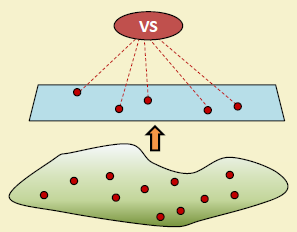
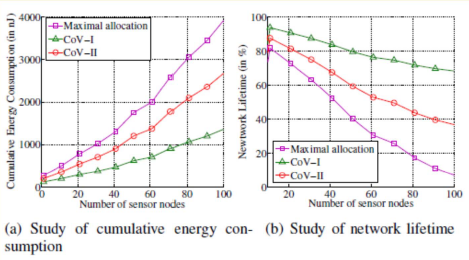
Resource Efficiency: Reduced redundant sensor deployments conserve resources.
Environmental Benefit: Less electronic waste and energy consumption.
Innovation Enablement: Lower barriers to entry foster innovation in sensing applications.
Public Good Applications: Research, public health, environmental monitoring, and emergency response benefit from shared data.
Democratic Data Access: Smaller organizations and individuals access capabilities previously limited to large institutions.
Example: Community organizations access environmental data to advocate for local improvements, enabled by S2aaS reducing data access barriers.
493.4 Why This Could Work
Despite challenges, several factors suggest S2aaS has strong potential for widespread adoption and success.
493.4.1 Proven Analogies
Cloud Computing Success: S2aaS mirrors cloud computing’s transformation of IT infrastructure from ownership to service model.
Parallels: - Shared infrastructure → lower costs - Pay-per-use → flexibility - Reduced capital investment → accessibility - Economies of scale → efficiency
Sharing Economy Momentum: Success of Airbnb, Uber, and similar platforms demonstrates viability of monetizing underutilized assets.
Application to Sensors: - Sensors often underutilized (especially fixed infrastructure) - Multiple parties can benefit from same data - Technology platforms facilitate marketplace
493.4.2 Technological Enablers
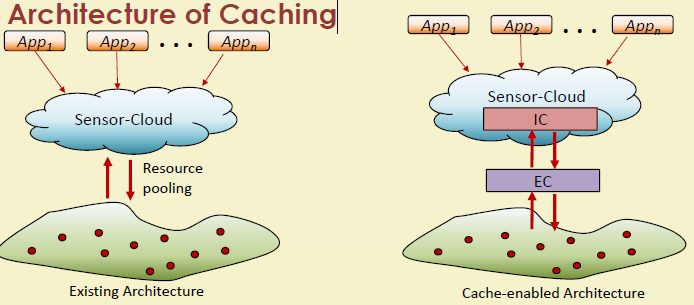
Cloud Platforms: Scalable infrastructure for data storage, processing, and delivery.
IoT Standards: Interoperability protocols enable heterogeneous sensor integration.
API Ecosystems: Easy integration of sensor data into applications.
Edge Computing: Local processing enables privacy preservation and bandwidth optimization.
Blockchain/Distributed Ledger: Potential for transparent, auditable data transactions and provenance.
AI/ML: Automated data quality assurance, anomaly detection, and value extraction.
493.4.3 Economic Incentives
Win-Win Proposition: Owners generate revenue, consumers reduce costs—mutual benefit drives adoption.
Network Effects: Each additional sensor and user increases platform value, creating growth momentum.
Reduced Barriers: Lower costs enable new applications previously economically infeasible.
Example: Precision agriculture startup accesses weather and soil sensors across farm regions, providing services to small farmers who couldn’t afford dedicated sensing.
493.4.4 Use Case Breadth
Environmental Monitoring: Air quality, water quality, noise, weather—multiple stakeholders interested.
Smart Cities: Traffic, parking, infrastructure health—municipalities, businesses, researchers.
Building Management: Occupancy, energy, comfort—owners, tenants, facility managers.
Agriculture: Soil moisture, weather, crop health—farmers, agronomists, commodity traders.
Transportation: Vehicle location, road conditions, traffic—logistics, planners, commuters.
Health and Wellness: Personal health metrics, environmental exposures—individuals, researchers, healthcare providers.
Retail and Marketing: Foot traffic, demographics, behavior—retailers, advertisers, property owners.
493.4.5 Regulatory Drivers
Open Data Mandates: Governments requiring public access to publicly-funded sensor data.
Example: European Union’s Public Sector Information Directive requires member states to make public sector data available for reuse.
Environmental Regulations: Monitoring requirements creating sensor infrastructure that can serve multiple purposes.
Smart City Initiatives: Municipal investments in sensor infrastructure seeking broader value and cost recovery.
493.5 Smart Home and Personal Data
Smart homes represent a particularly interesting and challenging domain for S2aaS, balancing personal privacy with potential value creation.
493.5.1 Smart Home Sensing Landscape
Device Proliferation: Modern smart homes contain dozens of sensors across various systems:
Environmental: - Temperature and humidity sensors - Air quality monitors - Light sensors - Motion detectors - Smoke and carbon monoxide detectors
Security: - Door/window sensors - Cameras (indoor and outdoor) - Microphones (smart speakers) - Glass break detectors
Energy Management: - Smart meters - Appliance monitors - Solar production sensors
Comfort and Convenience: - Presence detection - Occupancy sensors - Voice assistants
Health and Wellness: - Sleep tracking - Activity monitors - Weight scales
493.5.2 Personal Data Value
Internal Value (to Homeowner): - Automation and convenience - Energy optimization - Security and safety - Health insights - Comfort management
External Value (to Third Parties): - Energy utilities: Load forecasting and demand response - Researchers: Behavioral patterns, energy usage, health studies - Marketers: Consumer behavior and preferences - Urban planners: Occupancy patterns, commute patterns - Insurance: Risk assessment (health, property) - Real estate: Property value analytics
493.5.3 Privacy Challenges
Sensitive Information Exposure: Home sensors reveal intimate details of private life: - Daily routines and schedules - Presence and occupancy - Sleep patterns and quality - Relationship dynamics (number of occupants, visitors) - Health conditions and behaviors - Entertainment preferences - Financial status (indirectly through energy use, appliances)
Security Risks: - Burglars determining when home is empty - Stalking through location patterns - Surveillance without consent - Data breaches exposing private information
Lack of Control: Many smart devices controlled by manufacturers, not homeowners, limiting data governance.
493.5.4 Enabling Personal Data Markets
Privacy-Preserving Aggregation: Combining data from many homes provides value while protecting individuals.
Example: Energy utility accesses aggregated thermostat data from 1000 homes for load forecasting without identifying individual homes.
Selective Sharing: Homeowners choose what data to share with whom under what conditions.
Example: Share occupancy patterns with city planners (anonymized) but not with marketers; share energy data with utility but not with insurance companies.
Compensation Models: Fair value exchange for personal data.
Models: - Direct payment for data access - Service discounts (energy bill reduction for sharing data) - Improved services (better insurance rates, personalized recommendations) - Contribution to research (altruistic motivation with compensation)
Personal Data Stores: Individuals maintain control through personal data management platforms.
Approach: - All home sensor data flows to personal data store - Homeowner grants granular permissions to third parties - Audit logs of all data access - Ability to revoke access anytime
Example Platform: Personal data vault aggregates smart home data; homeowner reviews requests from utilities, researchers, or businesses and grants time-limited, purpose-specific access with compensation.
493.5.5 Regulatory Framework
Ownership Rights: Clarifying homeowners’ rights over data generated in their homes.
Consent Management: Requiring explicit, informed consent for data collection and use beyond primary device functionality.
Portability: Right to export data from proprietary systems.
Deletion: Right to have data deleted from third-party systems.
Transparency: Clear disclosure of what data is collected, how it’s used, who has access.
Accountability: Mechanisms for enforcing data governance and compensating privacy violations.
493.5.6 Success Factors for Personal S2aaS
Trust: Demonstrating responsible data practices builds confidence in sharing.
Control: Empowering individuals with granular control over their data.
Value: Providing meaningful benefits (monetary or otherwise) for data sharing.
Simplicity: Making consent management and privacy controls easy to understand and use.
Defaults: Privacy-protective defaults (opt-in rather than opt-out).
Transparency: Clear communication about data practices and uses.
493.5.7 Case Studies
Nest Thermostat (Google): - Aggregates temperature data from millions of homes - Uses for energy grid optimization - Provides energy reports to homeowners - Privacy approach: Anonymization and aggregation - Value proposition: Better grid management, energy savings
Opower (Oracle): - Access home energy data from smart meters - Provides comparative energy reports - Helps utilities with demand response - Privacy approach: Utility already has data; Opower adds analytics - Value proposition: Energy savings for homeowners, grid optimization for utilities
Open Humans: - Platform for individuals to share personal data for research - Includes health, genomic, activity data - User controls data access - Privacy approach: Explicit consent for each research project - Value proposition: Contributing to science, personal insights
493.6 Challenges and Future Directions
493.6.1 Technical Challenges
Interoperability: Heterogeneous sensors, protocols, and data formats complicate integration.
Solution Approaches: - Standardization efforts (IoT standards, APIs) - Translation layers and adapters - Semantic data models
Data Quality: Varying sensor accuracy, calibration, and reliability.
Approaches: - Quality ratings and certifications - Redundancy and cross-validation - Automated anomaly detection
Scalability: Managing millions of sensors and vast data volumes.
Solutions: - Cloud infrastructure - Edge processing - Efficient data compression and summarization
493.6.2 Business Model Challenges
Pricing: Determining fair value for sensor data in nascent markets.
Approaches: - Usage-based pricing - Tiered subscriptions - Auction mechanisms - Dynamic pricing based on demand
Liability: Who’s responsible for inaccurate data or service failures?
Considerations: - Service level agreements (SLAs) - Limited liability clauses - Insurance mechanisms - Quality guarantees
Market Concentration: Risk of monopolistic platforms controlling access.
Mitigations: - Open standards - Federated platforms - Regulatory oversight
493.6.4 Future Directions
Federated Sensing: Decentralized platforms avoiding single points of control while enabling data sharing.
AI-Driven Quality Assurance: Automated validation, calibration, and anomaly detection improving data reliability.
Blockchain for Data Provenance: Transparent, auditable records of data collection, ownership, and transactions.
Privacy-Preserving Technologies: Homomorphic encryption, secure multi-party computation enabling analytics on sensitive data without exposure.
Personal Data Cooperatives: Collective bargaining for data rights and compensation, empowering individuals.
Regulatory Evolution: Frameworks balancing innovation, privacy, and public good in sensing ecosystems.
493.7 Visual Reference Gallery
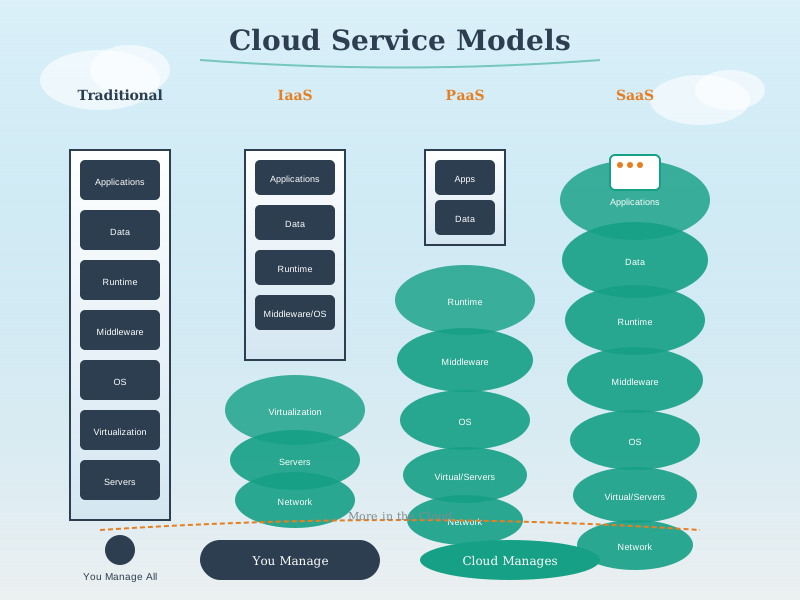
S2aaS service models from raw sensor access to complete analytics applications.
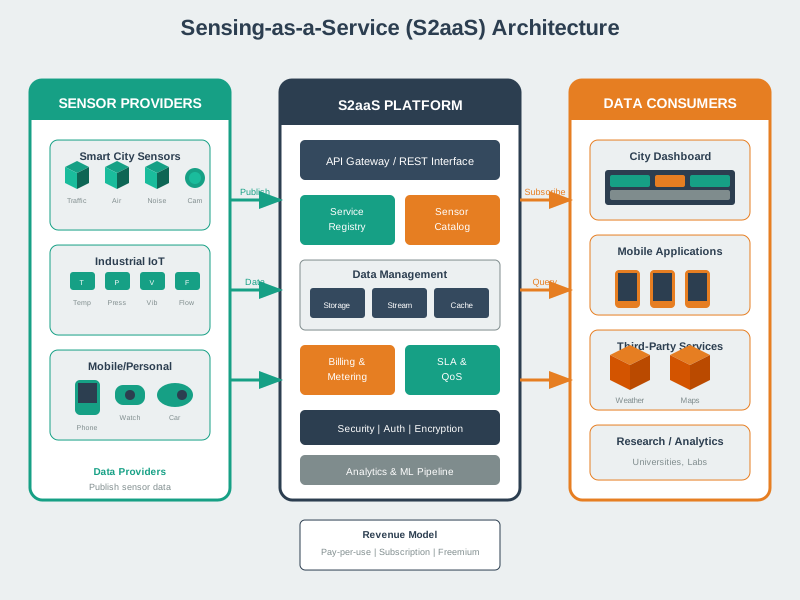
Sensing-as-a-Service ecosystem with stakeholders, data flows, and value exchange.
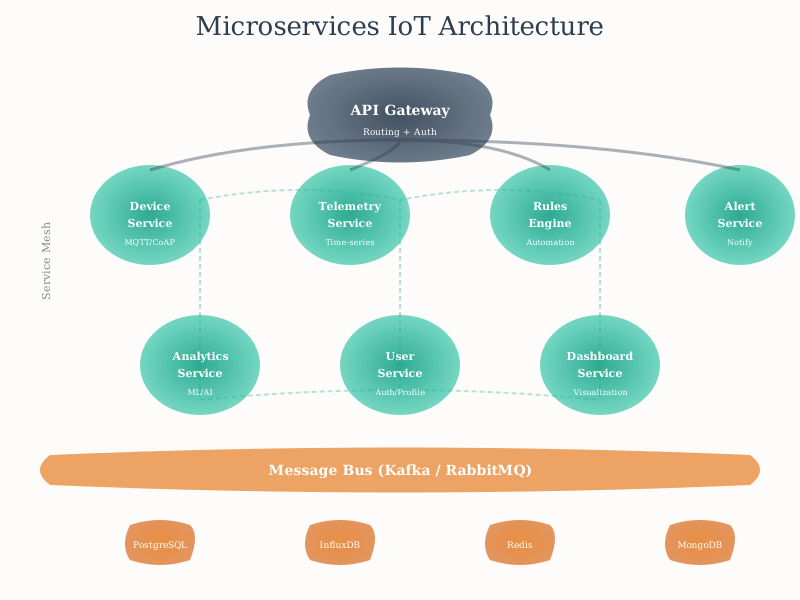
Microservices architecture enabling scalable and flexible sensing service platforms.
493.8 Summary
This chapter covered S2aaS value creation and challenges:
- Stakeholder Value: Sensor owners gain revenue and asset utilization; data consumers reduce capital/operational costs with faster deployment; platform providers earn transaction fees with network effects; society benefits from resource efficiency and innovation enablement
- Success Factors: Proven cloud computing analogies, technological enablers (cloud, IoT standards, APIs, edge, blockchain, AI/ML), economic incentives (win-win propositions, network effects), and regulatory drivers (open data mandates, environmental regulations)
- Smart Home Data: Balance personal privacy with value creation through selective sharing, compensation models (direct payment, service discounts, improved services), and personal data stores with granular permissions
- Technical Challenges: Interoperability (solved via standardization), data quality (quality ratings, anomaly detection), scalability (cloud, edge, compression)
- Business Challenges: Pricing uncertainty, liability questions, market concentration risks
- Social Challenges: Digital divide (equitable deployment), surveillance concerns (purpose limitations, oversight), bias and discrimination (equitable policies, community engagement)
- Future Directions: Federated sensing, AI-driven quality assurance, blockchain provenance, privacy-preserving technologies (homomorphic encryption, secure MPC), personal data cooperatives, regulatory evolution
The following AI-generated figures provide alternative visual representations of concepts covered in this chapter. These “phantom figures” offer different artistic interpretations to help reinforce understanding.
493.8.1 Additional Figures


493.9 What’s Next
Continue to Sensing as a Service for complete implementation details, covering S2aaS architectures, sensor virtualization techniques, multi-tenancy configurations, business models with pricing strategies, service interfaces through RESTful APIs, and practical Python implementations for marketplace platforms.
493.6.3 Social and Ethical Challenges
Digital Divide: Ensuring equitable access to sensing capabilities.
Concerns: - Wealthy areas have more sensors - Cost barriers for disadvantaged communities - Data deserts in rural areas
Surveillance: Ubiquitous sensing enabling oppressive surveillance.
Safeguards: - Purpose limitations - Judicial oversight for sensitive applications - Transparency requirements - Sunset provisions
Bias and Discrimination: Sensor deployments and data access reflecting existing inequalities.
Example: Air quality sensors concentrated in affluent neighborhoods while industrial pollution affects poorer areas.
Mitigations: - Equitable sensor deployment policies - Community engagement - Public interest requirements for platforms