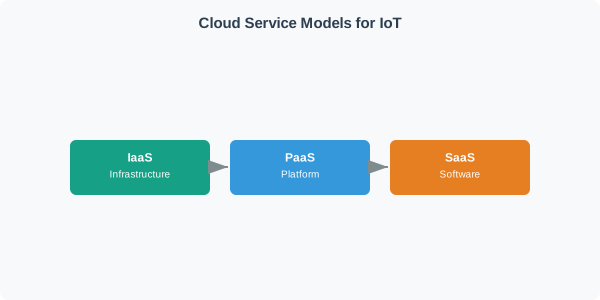
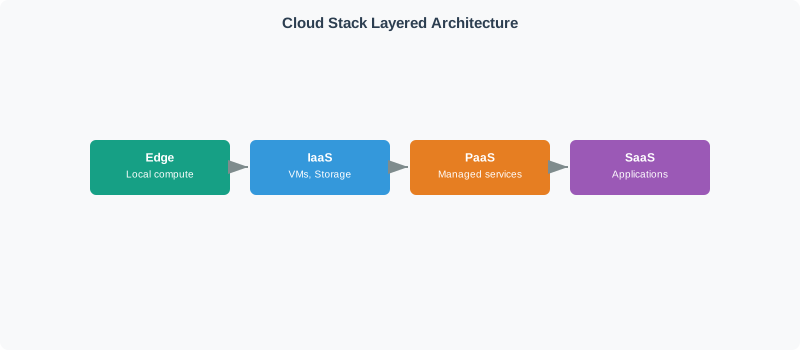
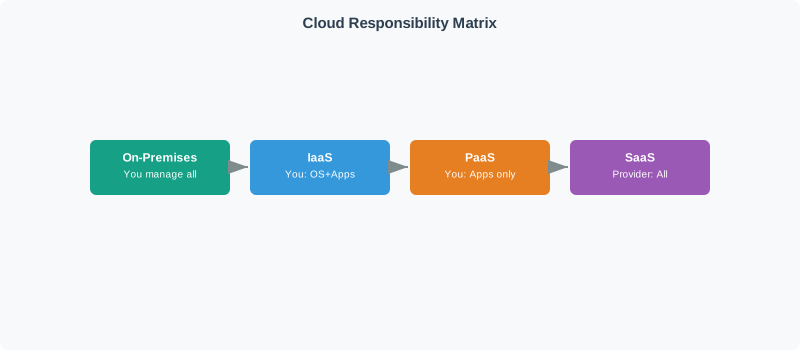
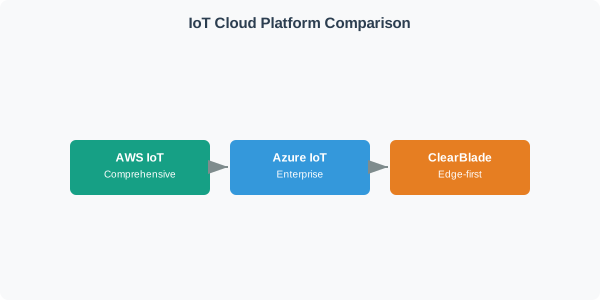
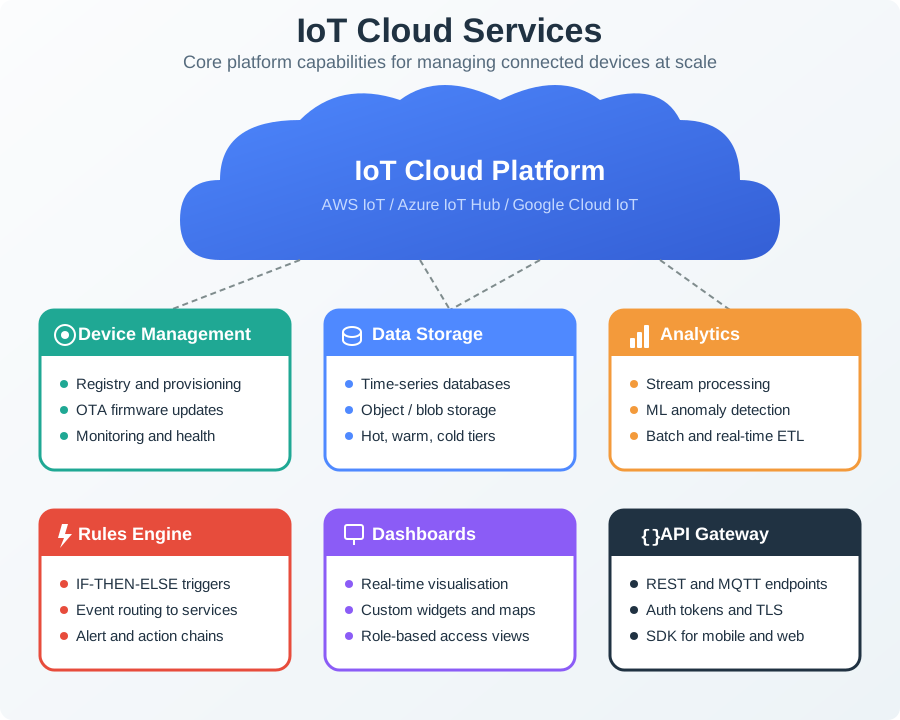
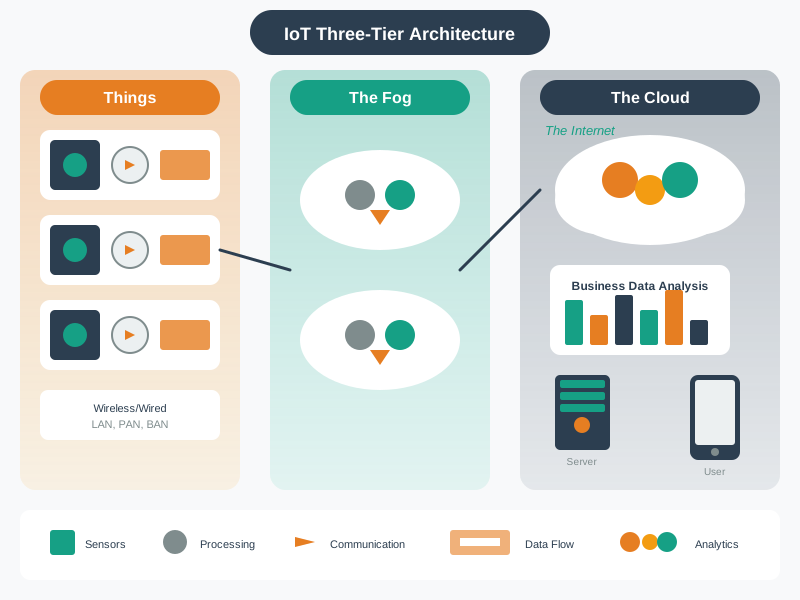
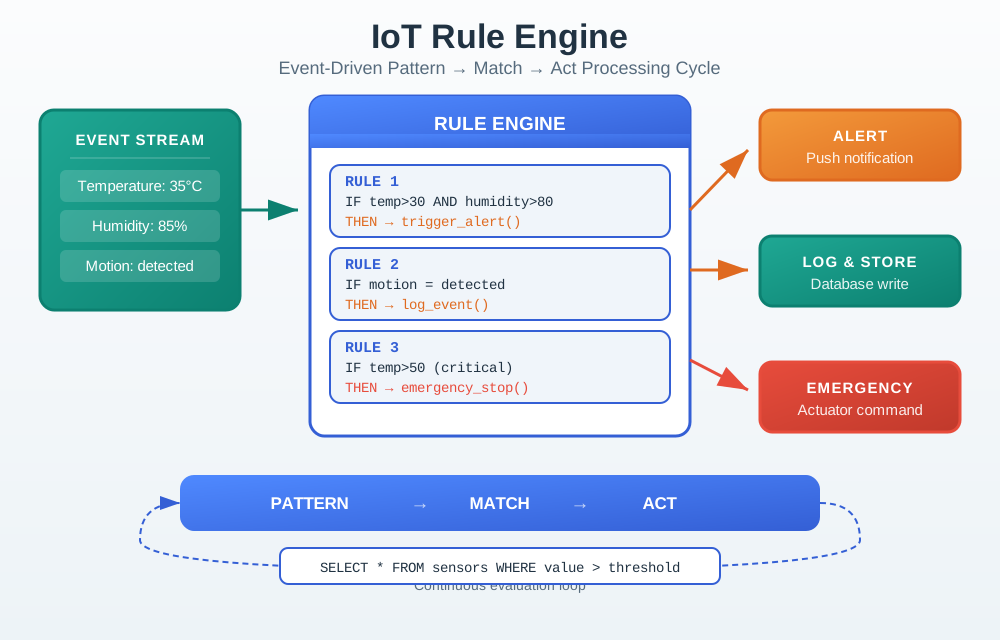
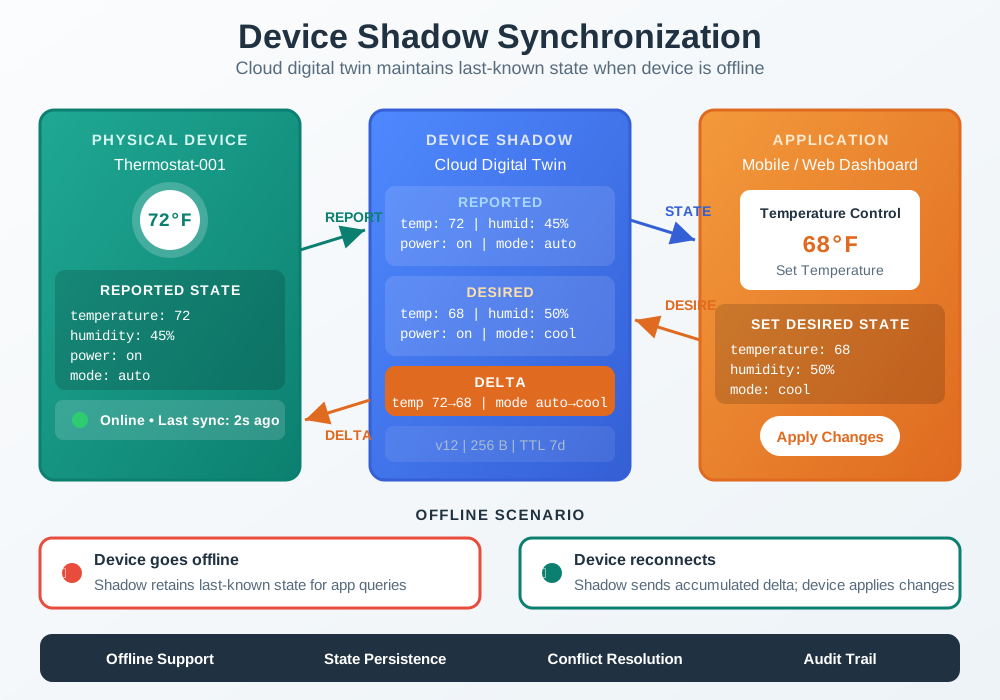
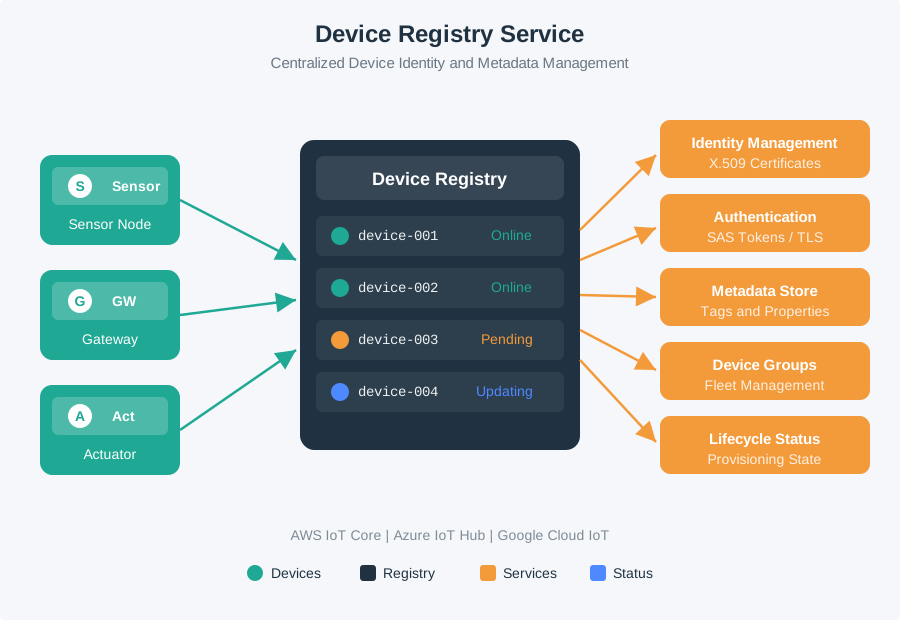
Cloud platforms provide IoT solutions through layered service models (IaaS, PaaS, SaaS), each trading control for convenience. Major platforms like AWS IoT Core, Azure IoT Hub, and ClearBlade offer device registries, rule engines, and device shadow patterns that form the building blocks of scalable IoT cloud architectures.
Cloud Computing Overview
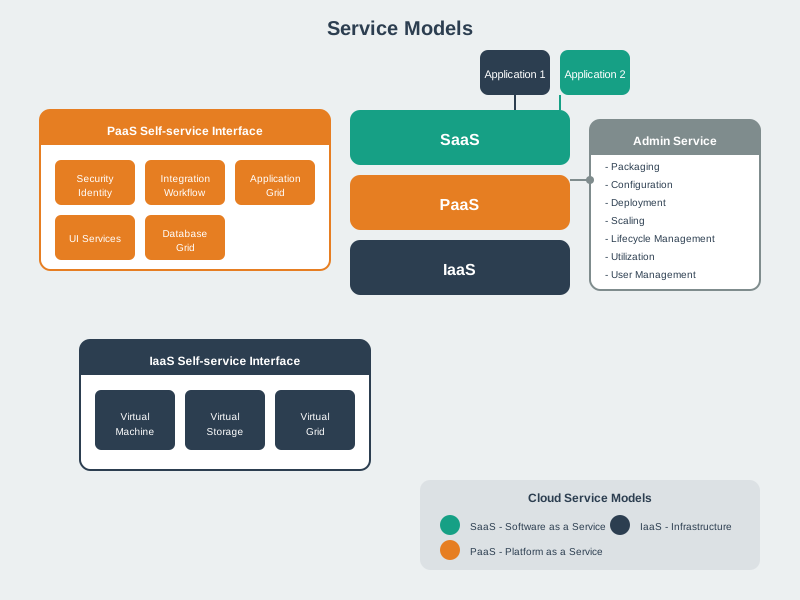
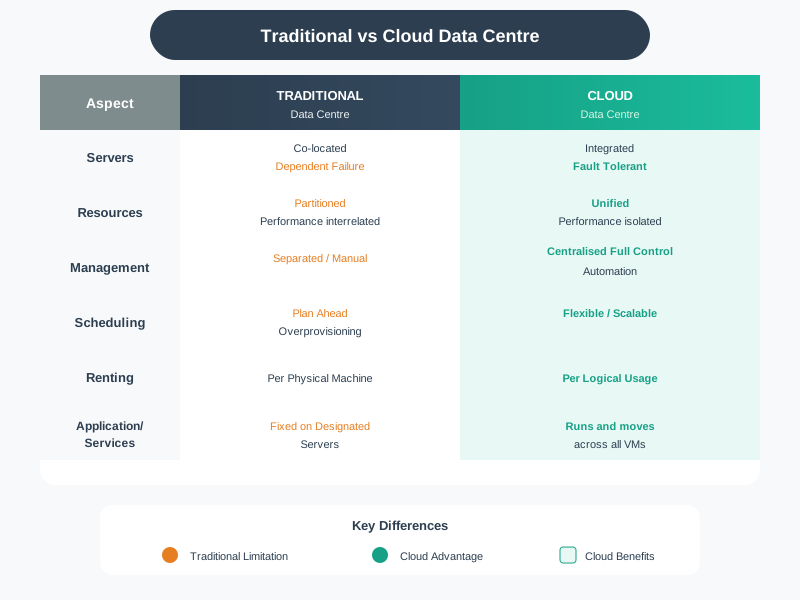
The Cloud is a way of provisioning services to clients, providing shared resources for organizations:
Service Models:
- IaaS (Infrastructure as a Service): Virtual machines, storage, networks
- PaaS (Platform as a Service): Development platforms and tools
- SaaS (Software as a Service): Complete applications
Advantages:
- Lower computer and software costs
- Instant software updates
- Unlimited storage capacity
- Device independence
- Economies of scale
Disadvantages:
- Requires constant Internet connection
- Needs high-speed Internet
- Security concerns with data storage
- Potential latency in connections
Common Pitfalls
A cloud platform (AWS, Azure, GCP) provides infrastructure; a cloud IoT service (AWS IoT Core, Azure IoT Hub) provides managed IoT-specific capabilities. Choosing a cloud platform without evaluating its IoT services portfolio leads to gaps filled with expensive custom development.
Not all cloud IoT services are available in every region. A deployment requiring data residency in a specific country must verify that the chosen platform’s IoT services are available in that region before committing to the architecture.
Cloud platforms offer generous free tiers for prototyping that do not reflect production costs. Message limits, storage caps, and connection limits in free tiers can mask the true cost implications of an architecture until it is too late to change.
Regulatory requirements or business continuity needs may force hybrid cloud or multi-cloud architectures later. Design device communication and data formats to be cloud-agnostic from the start even if deploying to a single cloud initially.