Skip to content

IoTClass.org CIC

Learning through many routes into one connected knowledge space

No learner should be excluded from understanding important technological ideas because they lack the standard background, learning style, hardware access or institutional pathway.

Explore the curriculumSee where this goes
Sammy

Sammy

Physics Phoebe

Physics Phoebe

Packet Pete

Packet Pete

Data Dora

Data Dora

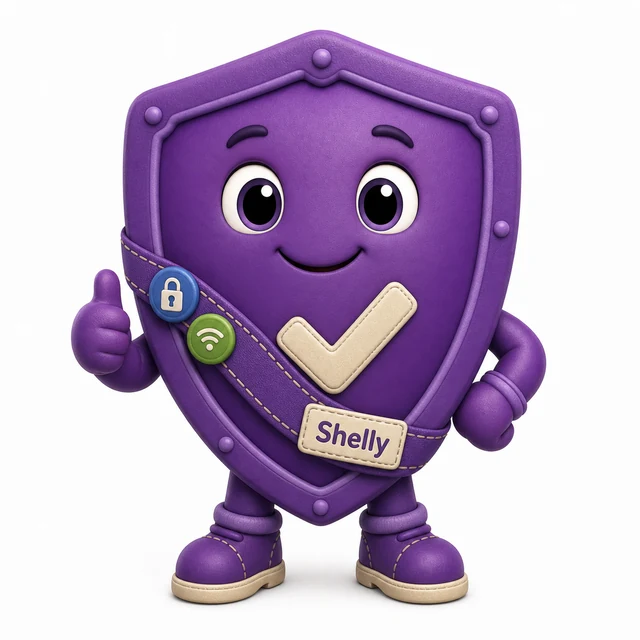
Shield Shelly

Shield Shelly

What we provide: a full IoT curriculum with a guide for every subject, simulations and animations for every hard idea, labs and tutorials on free tools, a Design Studio that grades your system, and books for the youngest learners. All of it free, all of it connected to the same knowledge map.

Direction

Vision and mission

One purpose, written down when the company was founded, and one way of working that follows from it.

01 Vision

To make complex technological knowledge accessible to everyone through an inclusive, AI-enabled, multimodal learning ecosystem.

That means designing many routes into the same underlying ideas, while keeping technical honesty, learner choice and a path toward deeper understanding.
02 Mission

To teach complex IoT and technology concepts to a wide audience, and use AI to deliver text, questions, animations, simulations, tools, labs, games and deeper material efficiently and effectively.

These routes should help people learn hard concepts faster, build breadth, go deeper where they need to, and prepare to work alongside AI agents.

  • Accessible
  • Multimodal
  • Educator-led AI
  • Evidence-led

Why now

AI changes what people need to learn

AI increases what educators and learners can create. It also increases the need for breadth, judgement and the ability to collaborate with AI agents.

1

What learners need

To grasp hard concepts faster, and to connect ideas across disciplines rather than one subject at a time.

2

What AI can now do

Deliver simulations, animations, tools, labs, questions and games at a scale a small team could never draw by hand.

3

What stays human

Judgement: what to ask, what to trust, what to build, and when depth is enough.

Learning model

One knowledge space, many routes

A learner might want a playful first contact with an idea, a question-and-answer route to clear up confusion, a simulation to watch a system behave, or a full chapter to go deep. The routes are deliberately different. They stay connected to the same concepts.

  • Deep chaptersWritten explanations, module by module, for study and depth
  • SimulationsInteractive models you drive yourself to watch a system behave
  • AnimationsStep-by-step visual explanations of one mechanism at a time
  • GamesRecall and decision practice that keeps score honestly
  • Labs and tutorialsGuided builds on free simulators, no hardware needed
  • Design StudioDesign a whole system, then have it graded
  • Knowledge checksChecks placed inside the reading, where the idea is fresh
  • Slides and storiesTeaching decks for revision, and illustrated books for the youngest

In shortA useful route gives a learner enough understanding for their purpose, then makes the next layer of breadth or depth visible.

The guides

Seventeen characters, each in charge of one part of the subject

Every part of the curriculum has a guide. The same character meets you in a chapter, a lab, a slide deck and a children's book, so a returning idea arrives with a familiar face. Here they are, in their own words.

  1. Sammy

    Hi, I'm Sammy. I show new learners around: where to start, how progress works, and which guide to ask next. In the Kids Books, I do the storytelling.

    Your guide to the platform, and the storyteller

    • Getting started
    • Progress and badges
    • IoT Kids Books
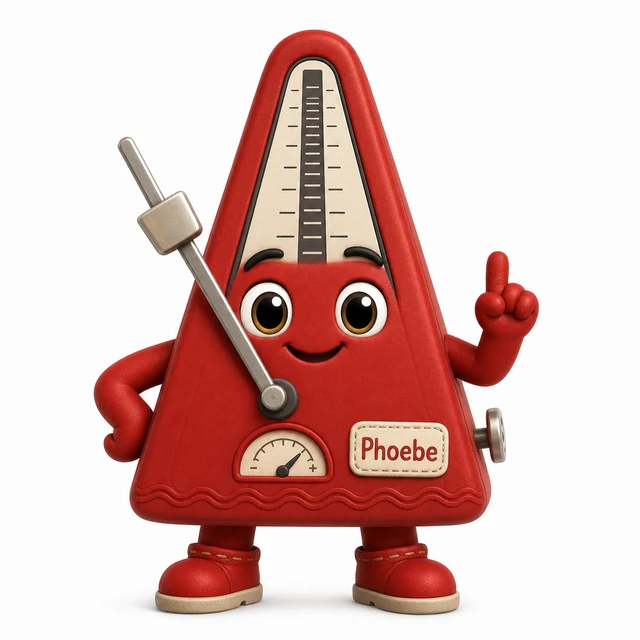
  2. Physics Phoebe

    I'm Physics Phoebe. I teach how a real-world quantity becomes a signal you can trust: the fundamentals, the sensors, and what they are used for.

    Three parts of the curriculum

    • Fundamentals
    • Sensors
    • Sensor applications
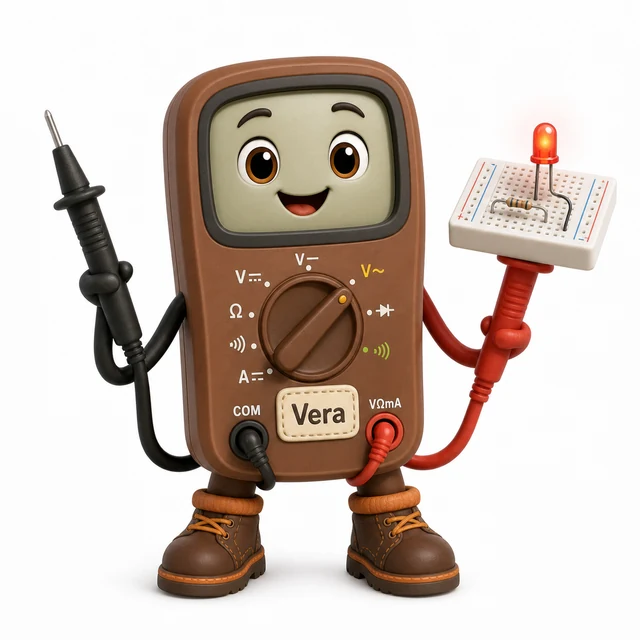
  3. Voltage Vera

    I'm Voltage Vera. Electronics is mine: circuits, components, and how to measure without letting the smoke out.

    Two parts of the curriculum

    • Electronics
    • Prototyping
  4. Motor Max

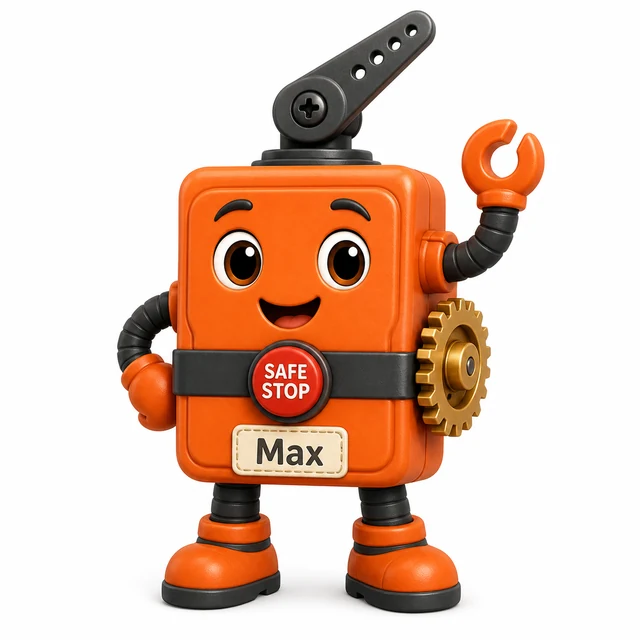
    I'm Motor Max. When a system has to do something in the world, turn, push, open, that's actuators, and that's me.

    Two parts of the curriculum

    • Actuators
    • Robotics
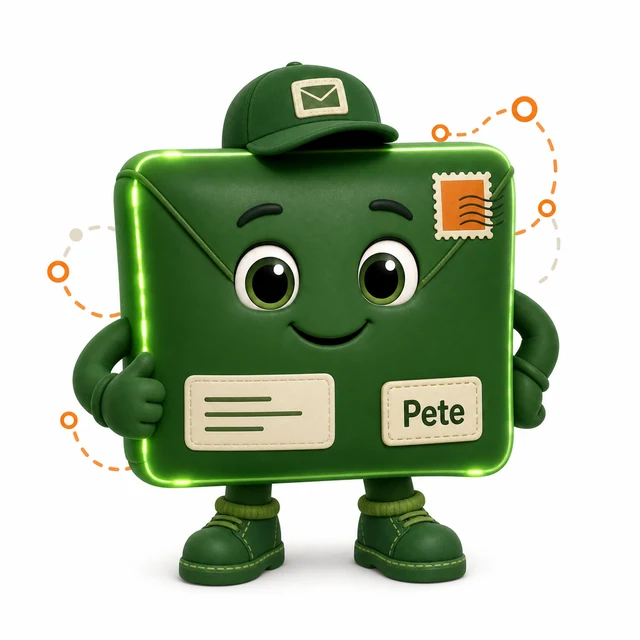
  5. Packet Pete

    I'm Packet Pete. I look after how devices find each other and how data finds its way: core networking, topologies, routing, transport and sensor networks.

    Five parts of the curriculum

    • Networking core
    • Topologies
    • Routing
    • Transport
    • Sensor networks
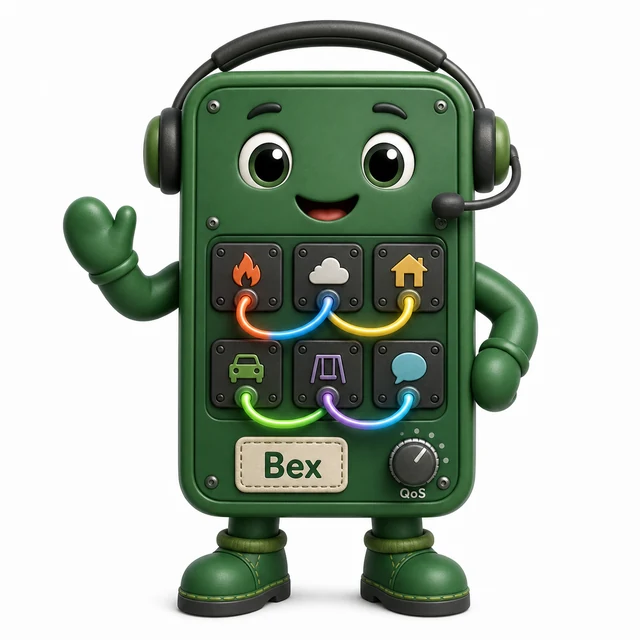
  6. Broker Bex

    I'm Broker Bex. I handle the conversations between devices and services: application protocols, CoAP, MQTT and AMQP.

    Five parts of the curriculum

    • Application protocols
    • CoAP
    • MQTT
    • AMQP
    • VoIP and media
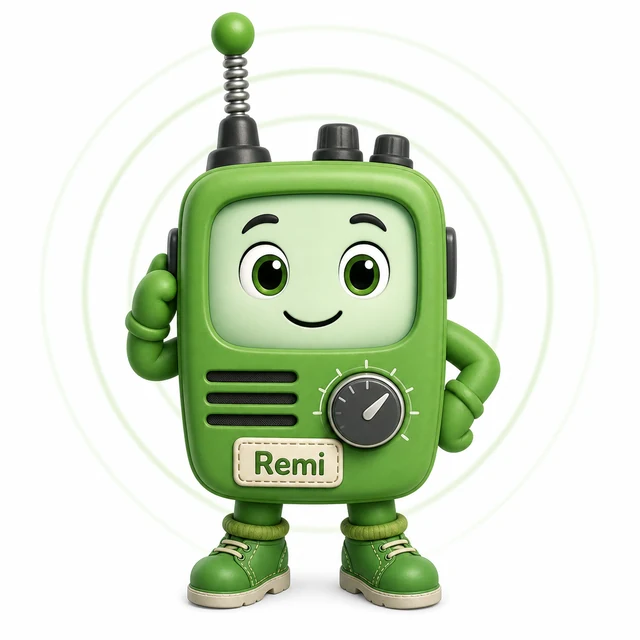
  7. Radio Remi

    I'm Radio Remi. Every wireless link is mine, from Bluetooth and Zigbee to Wi-Fi, RFID, LoRa and cellular. If it goes through the air, ask me.

    Six parts of the curriculum

    • Bluetooth
    • Zigbee and Thread
    • Wi-Fi and mobile
    • RFID, NFC and UWB
    • LoRaWAN
    • Cellular IoT
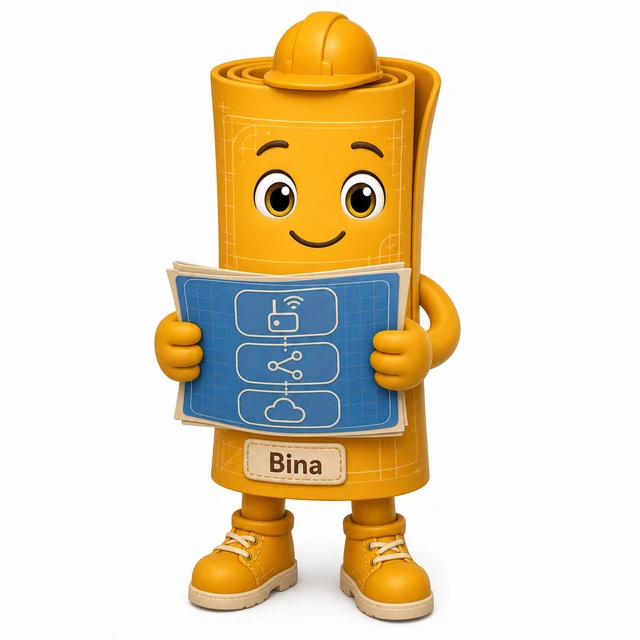
  8. Blueprint Bina

    I'm Blueprint Bina. I show how the pieces fit into one system: reference architectures, design patterns, and the ideas arriving next.

    Six parts of the curriculum

    • Reference architectures
    • Design patterns
    • Emerging paradigms
    • Applications
    • Design methodology
    • Specialised architectures
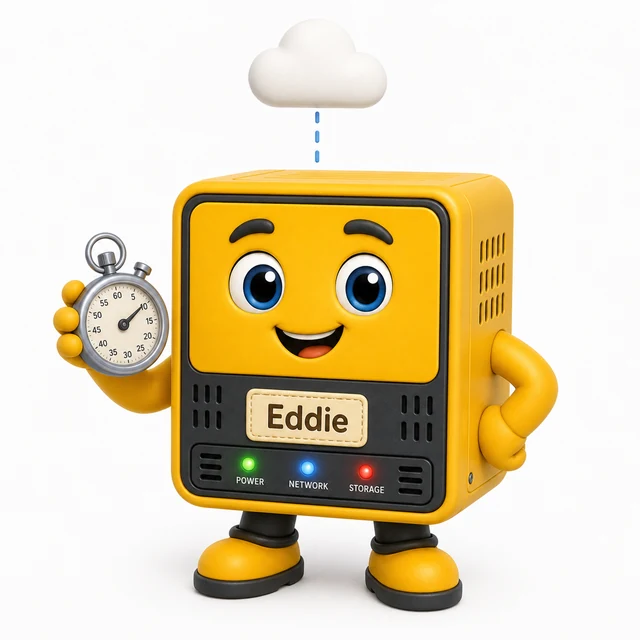
  9. Edge Eddie

    I'm Edge Eddie. I decide what should be computed close to the device instead of far away: edge and fog computing.

    One part of the curriculum

    • Edge and fog computing
  10. Cloud Clara

    I'm Cloud Clara. Cloud services: what they promise, what they cost, and exactly where their responsibility ends and yours begins.

    Two parts of the curriculum

    • Cloud computing
    • Cloud, SDN and production
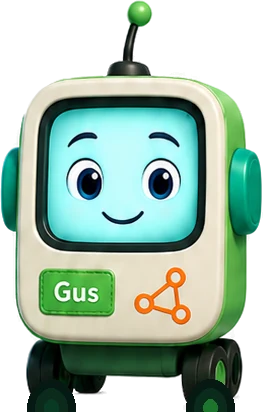
  11. Gateway Gus

    I'm Gateway Gus. I connect things that don't speak the same language: integration, bridging and gateways.

    Two parts of the curriculum

    • Integration and gateways
    • Control and gateways
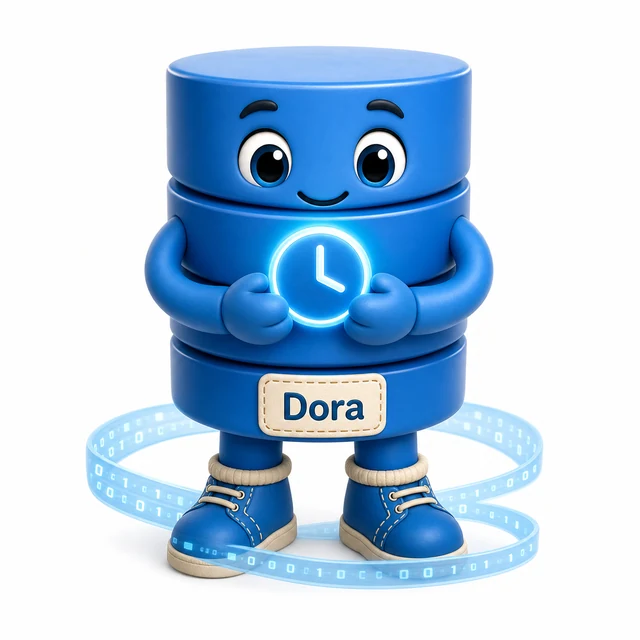
  12. Data Dora

    I'm Data Dora. Once the data arrives it's my turn: storing it, streaming it, making sense of it, and showing it.

    Four parts of the curriculum

    • Data storage
    • Stream processing
    • Analytics and ML
    • Visualisation
  13. Shield Shelly

    I'm Shield Shelly. I keep systems honest: the threats, the cryptography, and proving who is who.

    Three parts of the curriculum

    • Security threats
    • Cryptography
    • Authentication
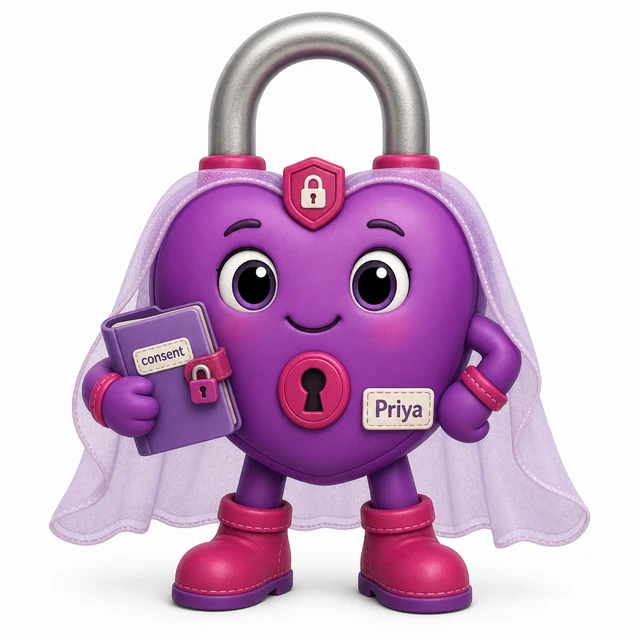
  14. Privacy Priya

    I'm Privacy Priya. I make sure people's data is treated with respect: privacy by design, and the rules around it.

    One part of the curriculum

    • Privacy and compliance
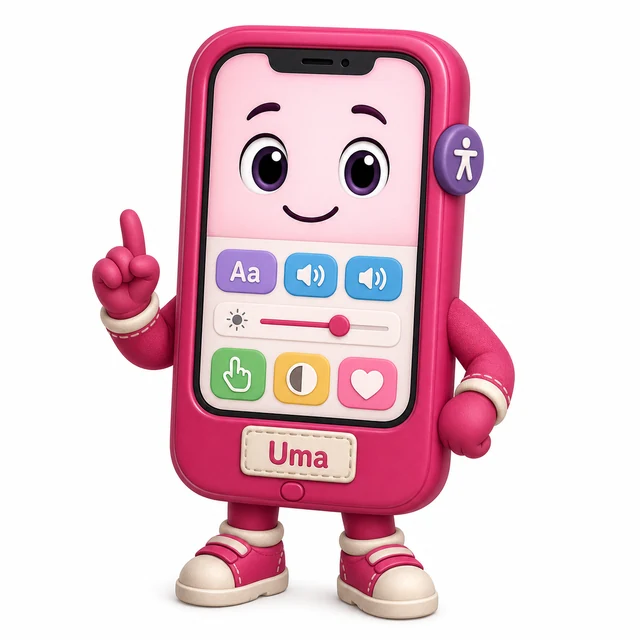
  15. UX Uma

    I'm UX Uma. I speak for the person using the thing: interfaces, accessibility, and design that makes sense to them.

    One part of the curriculum

    • UX design
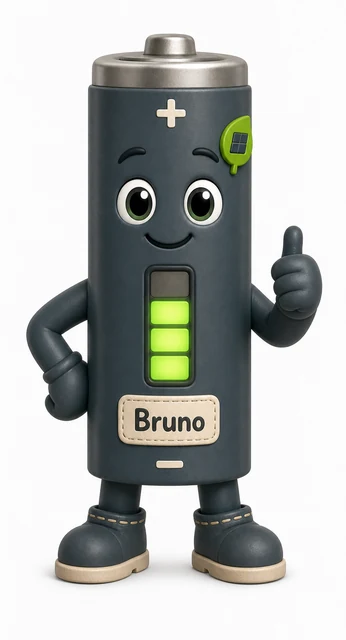
  16. Battery Bruno

    I'm Battery Bruno. I count every milliwatt: energy budgets, power sources, and how long a device really lasts.

    One part of the curriculum

    • Energy and power
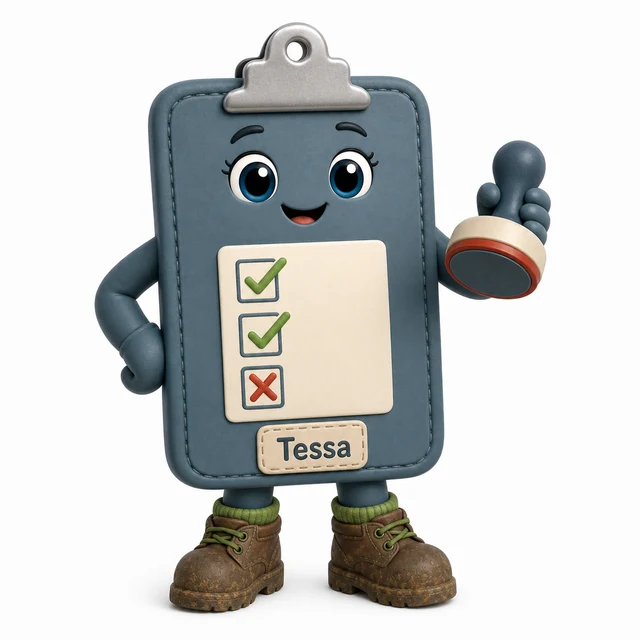
  17. Test Tessa

    I'm Test Tessa. Nothing ships on my watch without evidence: testing, validation, and proof that it works.

    Two parts of the curriculum

    • Testing and validation
    • Capstone projects

Community benefit

Who the work is for

The shared need is not identical content. It is a meaningful route into complex technical knowledge, entered at a level that is useful to you.

Young learners

Curiosity, story and pictures first, with the real idea kept intact underneath.

Students and self-learners

Foundations, revision, labs and projects, with a path when a topic gets hard.

Educators

Reviewed material and production patterns that can be adapted and reused.

Professionals

Systems awareness across disciplines, and judgement about trade-offs.

Decision-makers

Clear concepts, risks and costs, at a useful level of abstraction.

Anyone without the standard route in

No hardware, no institution, no prerequisite background required.

In shortThis principle shapes what gets built, who it is built with, and what happens to any surplus. Community benefit, responsible AI, accessibility, safety, provenance and evidence of learning stay visible over time.

Responsible AI

An amplifier, not a replacement

AI helps create richer routes. Every route still needs educational purpose, review, sequencing and trust before it reaches a learner.

  1. CreateAI drafts text, questions, diagrams, storyboards, tools, labs and simulations.
  2. ReviewPeople check accuracy, safety, accessibility, level and educational fit.
  3. AdaptThe same idea is reshaped for a different age, background, role or purpose.
  4. LearnFeedback shows what actually improved understanding, and that shapes the next round.

The boundary: the value is educator-led design, connected knowledge, interactive routes and evidence of learning. Not volume.

Roadmap

From launch to evidence

Where the work goes from here, in order, from the public launch onward.

  1. February 2027first milestone

    Public launch

    IoTClass.org opens to everyone: chapters, simulations, animations, games, labs on free simulators, teaching decks and the Design Studio, with the Sensor Squad as guides throughout.

  2. Spring 2027planned

    IoT Kids Books

    The illustrated series for young readers: the same ideas, told as stories, with the Sensor Squad doing the explaining.

  3. Summer 2027planned

    Classroom pilots and the evidence loop

    Educators and learners use the routes for real. Feedback and records show what actually improves understanding, and that shapes the next round of material.

  4. 2027planned

    The Ideator, our design software

    The Design Studio grows into a full design tool: draw a whole IoT system, simulate how it behaves, and have it graded against what the curriculum teaches, without any hardware.

  5. Autumn 2027planned

    Animated lessons

    Narrated animated lessons built from the written scripts, one mechanism at a time.

Where this goes

Teach broadly. Build interactively.

Help more people understand hard technologies faster, build breadth, and make responsible decisions with AI agents in the loop. That is the whole of it.

Start with the curriculum mapBrowse the interactives
IoT Class

Learn

  • Browse Modules
  • Start for Beginners
  • Knowledge Map
  • How IoTClass Works
  • Badges & Progress

Interactives

  • Content Hub
  • Product Explorer
  • Design Studio
  • Simulations
  • Hands-On Labs

Platform

  • About IoTClass
  • Books
  • Accessibility

IOTCLASS CIC is a community interest company registered in England and Wales, company number 17293282, incorporated in 2026.

© 2026 IoTClass.org

Terms of UsePrivacy PolicyCookie NoticeAccessibility Statement